A Beginner’s Guide to Understanding Breed Temperaments
This guide draws on general temperament research and commonly used breed-profile language. Individual dogs vary, and observed behavior should always take priority over a breed label.
Breed temperament descriptions can feel like a foreign language to a new dog owner, terms like “independent,” “working breed,” or “high prey drive” get tossed around in breed profiles without much real explanation of what that actually means for daily life. Understanding what these temperament traits actually look like in practice makes a real difference in choosing a breed that fits your life and in setting realistic expectations once a dog is actually home.
This guide breaks down the core temperament categories worth understanding, what they mean practically, and how to use this information alongside our broader guide on choosing the right breed for your lifestyle to make a more informed decision.
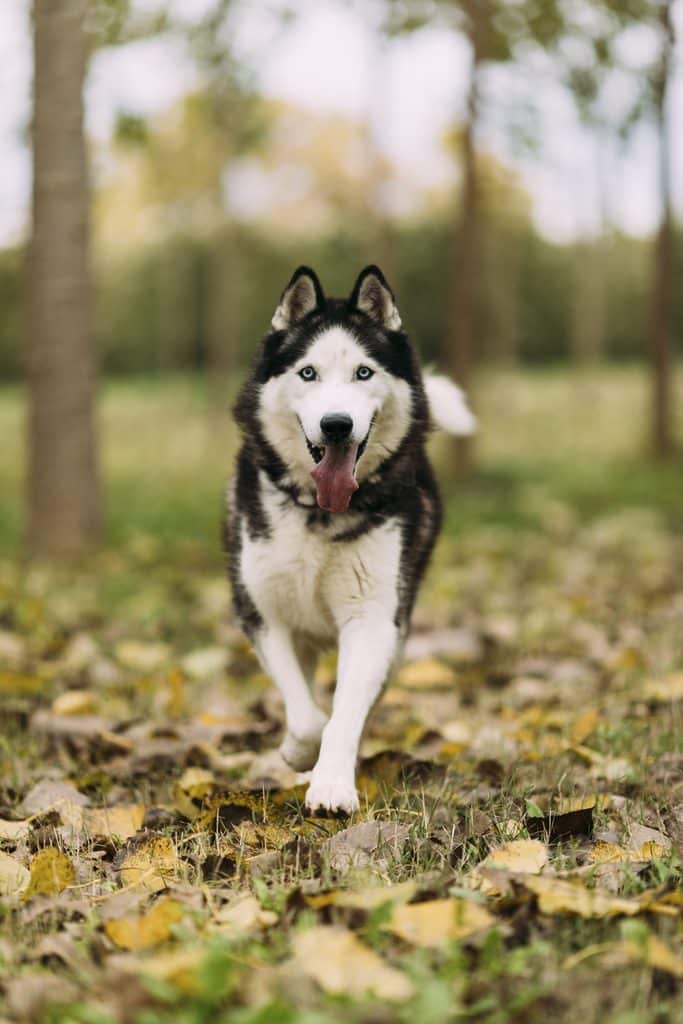
Energy Level: What the Labels Actually Mean
Breed profiles often describe energy level on a simple low-to-high scale, but understanding what that actually translates to day-to-day matters more than the label itself. A “high energy” breed typically needs significant daily exercise, often an hour or more of real physical activity, not just a short walk around the block.
A “low energy” label doesn’t mean no exercise at all, most dogs still need regular movement for physical and mental health, it just means the breed is generally content with less intensive activity than a working or sporting breed would require. Understanding this spectrum realistically, rather than assuming any dog fits into your existing routine, matters for a good match.
Trainability: Intelligence Isn’t the Whole Story
A breed described as “highly trainable” typically responds quickly to positive reinforcement and picks up commands with relatively few repetitions. This doesn’t necessarily mean the breed is more intelligent than a less trainable one, some highly intelligent breeds are actually more independent and less naturally inclined to prioritize pleasing their owner over their own instincts.
Working and herding breeds often show high trainability specifically because they were bred to work closely alongside humans, while some hound and terrier breeds are plenty intelligent but more independently minded, which can make training feel slower even though genuine learning is still happening.
Sociability: Understanding the Range
Sociability descriptions cover how a breed typically responds to strangers, other dogs, and new situations generally. A breed described as highly sociable tends to warm up quickly to new people and situations, while a more reserved breed may take longer to warm up or remain naturally more cautious around unfamiliar people.
Neither trait is inherently better, it depends on what you’re looking for, a naturally protective, reserved breed can be a wonderful companion for the right owner, while a highly sociable breed might be a better fit for a household with frequent visitors or a more social lifestyle.
Prey Drive: What It Actually Means for Daily Life
Prey drive refers to a breed’s natural instinct to chase and sometimes catch smaller moving animals, a trait rooted in hunting and herding backgrounds. Breeds with a high prey drive may need extra training and management around smaller pets, and off-leash reliability can be a genuine challenge without significant training investment.
This trait matters a lot for households with cats or other small pets, and it’s worth researching honestly before bringing home a breed known for strong prey drive if your household includes smaller animals.
Guarding Instincts: Protective Versus Aggressive
Guarding instinct describes a breed’s natural tendency to watch over and protect their family and territory, a trait that shaped many breeds’ original working purpose. This is genuinely different from aggression, a breed with strong guarding instincts can still be gentle and loving with their family while remaining naturally more alert or reserved with strangers.
Understanding this distinction matters for realistic expectations, a naturally protective breed isn’t inherently a behavioral problem, but it does mean early socialization and consistent training matter more to ensure that protective instinct develops in a healthy, well-managed way.
Independence: A Double-Edged Trait
Independent breeds tend to think for themselves and may be less naturally motivated to follow directions purely to please an owner, a trait that can make training feel more challenging but doesn’t mean the breed is unintelligent or untrainable. Many independent breeds were originally bred for work that required making their own decisions in the field, like hunting or guarding livestock at a distance from their handler.
This trait often means training benefits from extra patience and creativity, finding what genuinely motivates that specific dog rather than assuming a one-size-fits-all training approach will work as smoothly as it might with a more naturally eager-to-please breed.
Affection Style: Not All Loyalty Looks the Same
Even among breeds broadly described as affectionate, the actual style of that affection varies considerably. Some breeds show affection through constant physical closeness and cuddling, while others express loyalty through quieter, more watchful companionship without as much physical affection-seeking.
Understanding your own preference here matters for genuine satisfaction with your choice, if you’re hoping for a dog that wants to cuddle constantly, a breed known for more reserved, independent affection may leave you feeling like something’s missing, even if the dog is perfectly content in their own way.
Using Temperament Information Wisely
Breed temperament descriptions are genuinely useful starting points, but they describe general tendencies, not guarantees about any individual dog. Individual variation within a breed can be significant, shaped by genetics, early socialization, and training, so treat breed temperament information as a reasonable prediction rather than an absolute rule.
This is especially worth remembering with rescue or shelter dogs of unknown or mixed heritage, where observed individual temperament, rather than assumed breed traits, often gives a more accurate picture of what to actually expect.
A Quick-Reference Temperament Cheat Sheet
Since these terms show up constantly in breed profiles, here’s a fast way to translate the common language into what it actually means day to day.
| Term in a Breed Profile | What It Usually Means for You |
|---|---|
| “High energy” | An hour or more of real daily exercise, not just a walk around the block |
| “Independent” | Slower training progress, benefits from creative, high-value motivation |
| “Reserved with strangers” | Needs deliberate, positive socialization, not a flaw to correct |
| “High prey drive” | Careful management around cats, small pets, and off-leash situations |
| “Protective” | Not the same as aggressive, but needs consistent early socialization |
| “Eager to please” | Generally faster, easier training progress with standard methods |
Keep this nearby when reading any specific breed profile, translating the label into a real daily-life implication makes the research process considerably more useful.
[INSERT IMAGE: temperament-spectrum.png]
How Temperament Traits Actually Combine in a Real Dog
No breed profile fully captures an individual dog, since traits combine and sometimes conflict with each other in ways a single label can’t convey. A breed that’s both independent and high energy, for example, presents a genuinely different daily reality than one that’s independent but low energy, even though both share the “independent” label.
Think through how the specific combination of traits you’re considering would actually play out in your home, rather than evaluating each trait in isolation. This combined picture is usually far more useful than any individual trait score.
Where Individual Variation Matters Most
Even within a single breed, individual dogs vary meaningfully based on genetics, early experiences, and training history. This variation tends to be most pronounced in trainability and sociability, somewhat less pronounced in energy level and coat type, which are more directly tied to physical breed characteristics.
This is especially worth remembering with a mixed-breed or rescue dog, where breed guesses are often imprecise anyway. Observed individual behavior, not an assumed breed label, should generally take priority when the two seem to disagree.
Final Thoughts
Understanding breed temperament in practical terms, not just label terms, makes a real difference in choosing a dog that genuinely fits your life and in setting realistic expectations for training and daily companionship. Energy level, trainability, sociability, prey drive, guarding instinct, independence, and affection style together paint a much more complete picture than any single breed label alone.
If you’re using temperament research to choose a breed, focus on the traits that matter most for your specific situation rather than trying to find a breed that scores well across every category. The right match comes from honestly weighing which temperament traits genuinely fit your life, not finding some theoretically perfect breed that excels at everything. Trainability in particular connects directly to our guide on positive reinforcement training, which works with any breed’s temperament once you understand what’s actually motivating them.