19 Everyday Dog Care Habits That Make a Real Difference
Good dog care isn’t really about occasional big efforts, it’s built from small, consistent daily habits that add up to genuine long-term health and happiness. Some of these habits take just a minute or two but make a disproportionate difference over the course of a dog’s life.
Here are 19 everyday habits worth building into your routine, moving toward the one that tends to matter most overall. None of these require special equipment or expertise, just consistency, the same underlying principle behind our guide to building a routine that actually sticks.
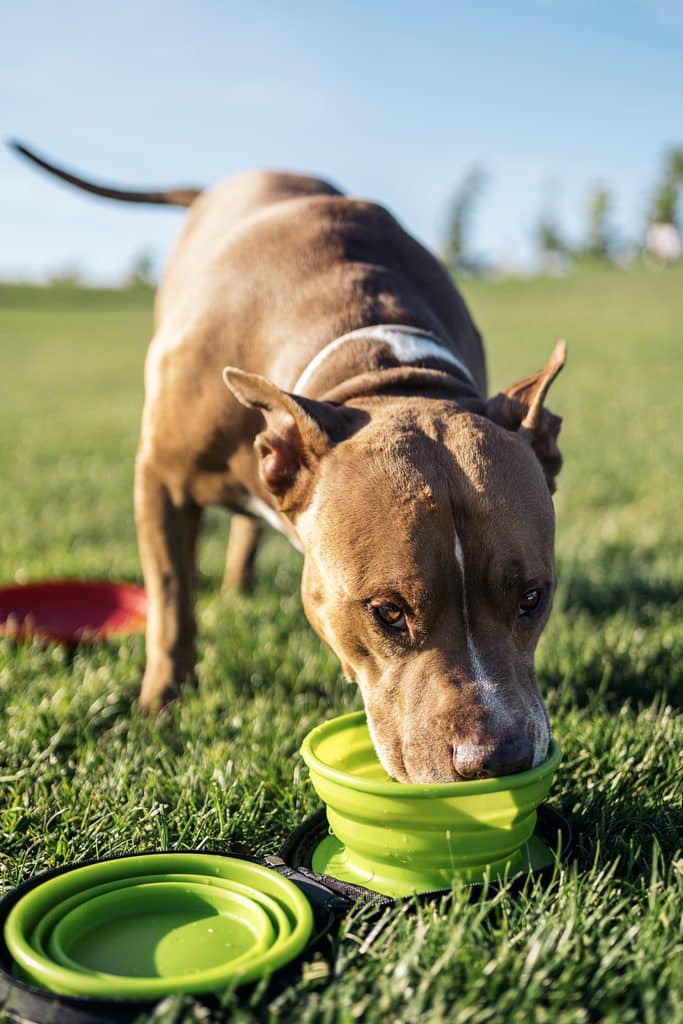
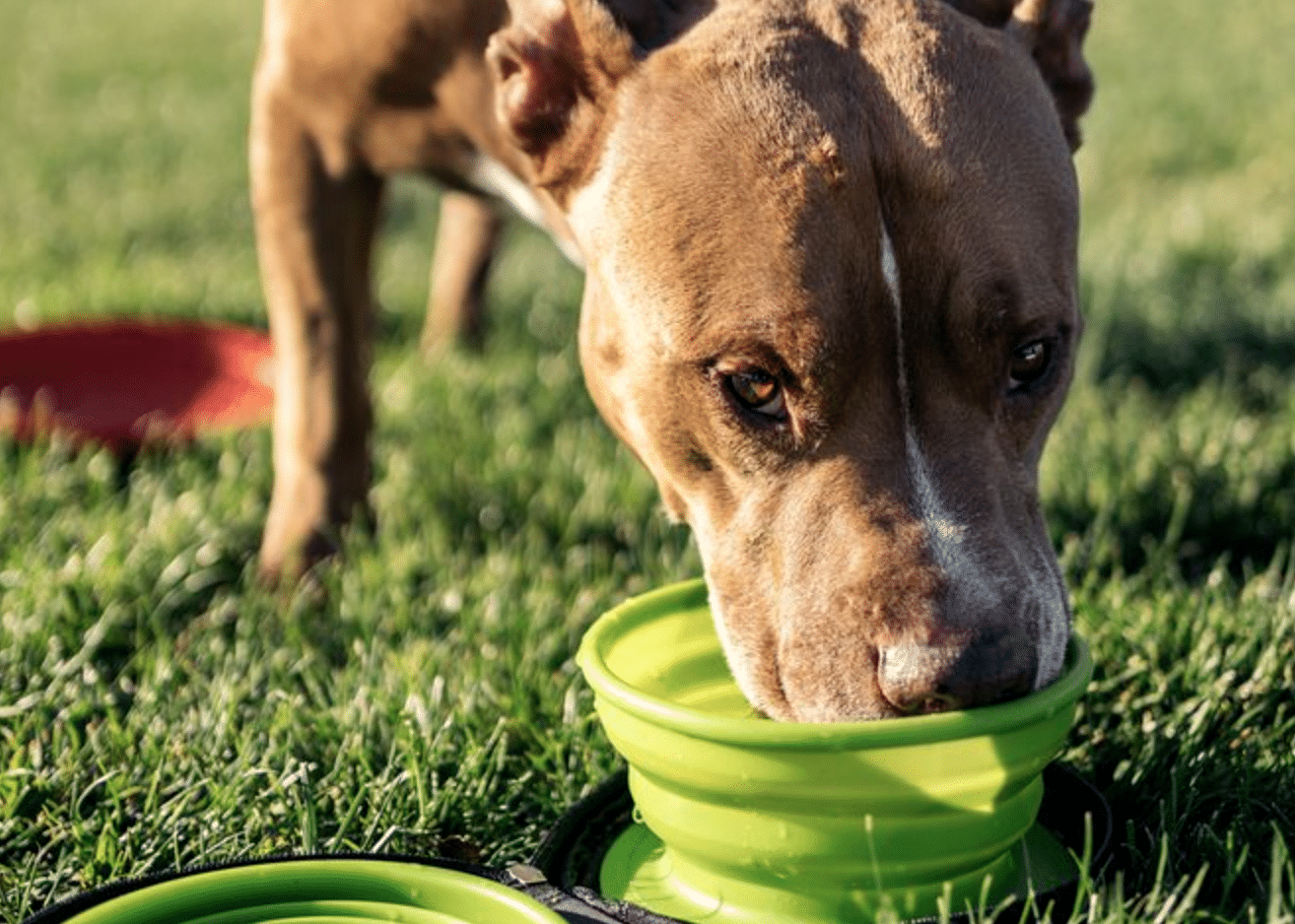
19. Fresh Water Available at All Times
Checking and refreshing water bowls daily, more than once if needed, keeps your dog properly hydrated and encourages healthy drinking habits. Stagnant or empty water bowls are a surprisingly common oversight in an otherwise attentive household.
Wash water bowls regularly too, not just refill them, buildup can develop in ways that aren’t always visible but still affect water quality.
18. A Consistent Feeding Schedule
Feeding at consistent times each day supports digestive health and helps you notice appetite changes more easily, since you have a genuine baseline for comparison. Irregular feeding schedules make it harder to spot when something’s actually off.
This consistency also helps with house training and general routine predictability, which matters for a dog’s overall sense of security.
17. Daily Physical Exercise Matched to Your Dog’s Needs
Every dog needs regular physical activity, though the specific amount varies quite a bit by breed, age, and individual energy level. Daily exercise supports physical health, mental wellbeing, and often prevents a lot of behavioral issues that stem from pent-up energy.
Match exercise type and intensity to your specific dog’s actual needs and any physical limitations, rather than assuming a one-size-fits-all approach works for every dog.
16. Regular Mental Stimulation, Not Just Physical Exercise
Mental stimulation, puzzle toys, training sessions, new experiences, matters just as much as physical exercise for a genuinely well-rounded dog. A physically tired but mentally under-stimulated dog can still develop real behavioral issues.
Rotate toys and activities regularly to keep mental stimulation genuinely engaging, novelty matters for maintaining real interest over time.
15. A Quick Daily Health Check
Taking a moment each day to notice your dog’s general demeanor, appetite, energy level, and any obvious physical changes helps you catch potential issues early. This doesn’t need to be a formal examination, just genuine attentiveness during your normal interactions.
This daily habit builds a real, accurate sense of your dog’s normal baseline, which makes any actual deviation much easier to notice quickly.
14. Consistent, Positive Training Reinforcement
Reinforcing good behavior consistently, even outside formal training sessions, helps maintain learned behaviors and continues building your dog’s overall training foundation. This doesn’t need to be elaborate, a quick “good dog” and a treat for calm behavior goes a long way.
Consistency matters more than intensity here, brief, regular reinforcement throughout the day tends to be more effective than occasional, longer formal sessions alone.
13. Regular Teeth Brushing or Dental Care
Dental health affects a dog’s overall wellbeing more than many owners realize, and regular tooth brushing, even just a few times a week, reduces the risk of dental disease over a dog’s lifetime. This is one of the more commonly skipped daily care habits.
If daily brushing isn’t realistic, dental chews or water additives can provide some additional support, though they don’t fully replace regular brushing for genuine dental health.
12. Monitoring Bathroom Habits
Paying attention to your dog’s normal bathroom habits, frequency, consistency, any straining, helps you catch potential digestive or urinary issues early. This is a habit that’s easy to build into regular walks without much extra effort.
Note any changes and mention them to your vet if they persist, changes in bathroom habits are often one of the earliest visible signs something’s worth investigating.
11. Regular Paw and Nail Checks
A quick check of paws and nails during normal interactions, petting, cuddling, playing, helps you catch cracked pads, embedded debris, or overgrown nails before they become bigger problems. This takes just a few seconds once it’s built into your routine.
Pair this check with regular walks, since paw condition often changes based on terrain and weather, worth checking more closely after a walk on rough or hot surfaces.
10. Providing Safe, Appropriate Chew Options
Regular access to safe, appropriate chew toys supports dental health, provides mental stimulation, and can help redirect natural chewing instincts away from household items. Rotating chew options keeps this engaging over time.
Research safe chew options appropriate for your dog’s size and chewing style, not every chew product is equally safe for every dog.
9. Consistent Socialization Opportunities
Regular, positive exposure to new people, dogs, and environments, especially during a dog’s early life but actually valuable throughout their whole life, supports confident, well-adjusted behavior. This doesn’t need to be overwhelming, just consistent, positive exposure over time.
Watch your dog’s comfort level during socialization and go at a pace that builds genuine confidence rather than overwhelming them, quality of exposure matters more than sheer quantity.
8. Regular Ear Checks and Cleaning as Needed
A quick peek at your dog’s ears during regular grooming or petting sessions helps you catch early signs of infection or irritation before they become more serious. This is especially important for breeds prone to ear issues.
Clean only as needed based on what you observe, rather than on an arbitrary fixed schedule that might not match your specific dog’s actual needs.
7. Maintaining a Safe, Dog-Proofed Environment
Regularly checking your home and yard for potential hazards, toxic plants, unsecured chemicals, small objects that could be swallowed, matters as an ongoing habit, not just a one-time setup when a dog first arrives. Environments change, and periodic reassessment matters.
This is especially worth revisiting seasonally, since hazards like antifreeze in winter or certain plants in summer shift throughout the year.
6. Appropriate Portion Control at Every Meal
Consistently measuring food rather than eyeballing portions helps prevent gradual weight gain, which is one of the more common, preventable health issues affecting dogs over time. This is a small daily habit with real long-term health impact.
Adjust portions based on your dog’s actual activity level and body condition, rather than relying solely on generic package recommendations that may not match your specific dog.
5. Regular, Positive Handling Practice
Regularly handling your dog’s paws, ears, mouth, and body in a calm, positive way, even outside of actual grooming or vet visits, builds genuine comfort with handling that makes actual grooming, vet visits, and emergency situations considerably easier. This is a habit worth maintaining throughout a dog’s whole life, not just during puppyhood.
Pair this handling practice with treats and calm praise, building a positive association that pays off during every future grooming session or vet visit.
4. Genuine, Quality Time Together
Beyond structured exercise or training, simply spending genuine, present quality time with your dog, without distractions, supports the emotional bond that underlies a dog’s overall wellbeing and behavior. This matters more than people sometimes realize amid busy schedules.
Even short periods of present time, without a phone or other distraction, tend to matter more for this bond than longer periods of divided attention.
3. Keeping Vaccinations and Preventive Care Current
Staying current on vaccinations, flea and tick prevention, and heartworm prevention as an ongoing habit, not just an annual afterthought, protects your dog from serious, often preventable health issues. This requires periodic attention rather than a single yearly effort.
Set calendar reminders for recurring preventive care, this simple habit prevents accidentally letting important protection lapse between annual vet visits.
2. Watching for Behavioral Changes as Health Signals
Behavioral changes, increased irritability, withdrawal, changes in typical activity level, are often among the earliest signs of an underlying health issue, sometimes appearing before more obvious physical symptoms. Taking behavioral shifts seriously as potential health signals, not just training issues, matters for early intervention.
Track any behavioral changes alongside other observations, this pattern recognition often helps identify underlying issues more quickly than any single symptom alone.
1. Building a Genuine, Ongoing Relationship With Your Vet
The single most valuable everyday care habit isn’t really a daily task at all, it’s maintaining a genuine, ongoing relationship with a trusted vet who knows your dog’s individual history and baseline.
Bottom line: regular checkups, prompt attention to concerns, and open communication with your vet create a foundation that makes every other habit on this list more effective. Watching for behavioral changes ties directly into our post on signs your dog needs more mental stimulation, since under-stimulation shows up in daily behavior just as much as physical health does.