A Complete Guide to Grooming Your Dog at Home
This guide covers general home grooming practice. For breed-specific techniques or any skin or coat concern, a professional groomer or your vet is the best resource.
Home grooming can feel intimidating at first, especially with the range of coat types, tools, and techniques involved, but building a genuine home grooming routine is achievable for most owners with a bit of patience and the right basic approach. Beyond the practical benefit of saving on professional grooming costs, home grooming sessions offer a real opportunity for bonding and for catching health issues early.
This guide walks through building a genuine home grooming routine from the ground up, covering the core skills and how to approach each one confidently, expanding on the quick-reference list in our grooming tips post.
Understanding Your Dog’s Specific Coat Type
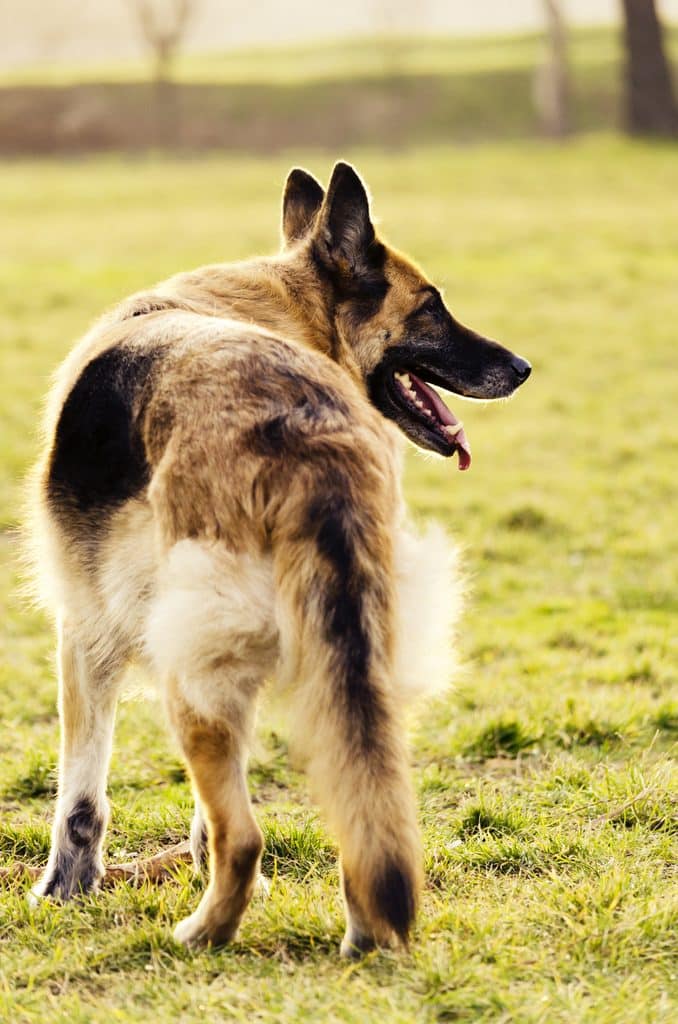
Before building a grooming routine, understanding your dog’s specific coat type, double-coated, single-coated, curly, wire-haired, smooth, matters enormously for choosing appropriate tools and techniques. Different coats have genuinely different care needs, and a one-size-fits-all approach rarely works well.
If you’re unsure about your dog’s specific coat type, a conversation with your vet or a professional groomer can provide real clarity, this foundational understanding shapes every other grooming decision going forward.
Building Your Basic Tool Kit
A functional home grooming kit doesn’t need to be extensive, but having the right basics matters for both effectiveness and your dog’s comfort. Most home groomers benefit from a few core items: an appropriate brush for their coat type, nail clippers or a grinder, ear cleaning solution, dog-specific shampoo, and blunt-tipped scissors for small trimming tasks.
Invest in quality basics rather than an extensive but lower-quality kit, a few well-made tools genuinely outperform a larger collection of ineffective ones.
Establishing a Positive Grooming Environment
The physical space and emotional tone of grooming sessions matter enormously for how well your dog tolerates and eventually accepts the routine. A calm, comfortable space, free from excessive noise or distraction, sets the stage for a more successful session.
Keep early sessions short and positive, gradually building duration and complexity as your dog’s comfort increases, rather than attempting a full grooming session before they’re actually ready for it.
Mastering Basic Brushing Technique
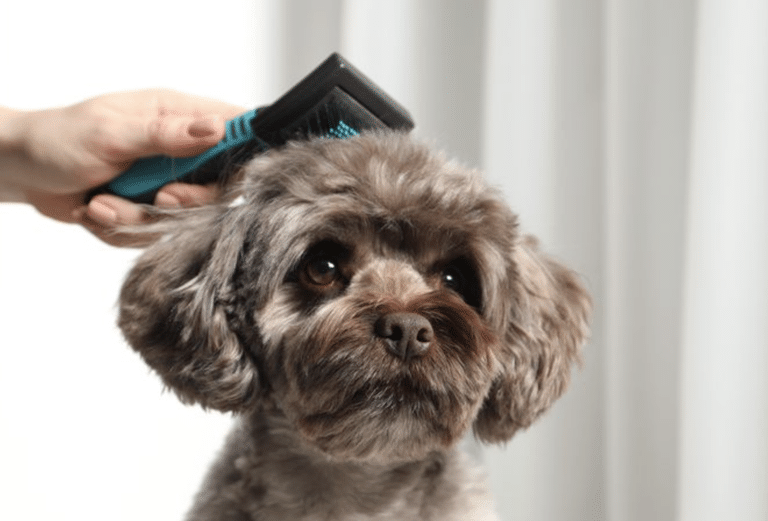
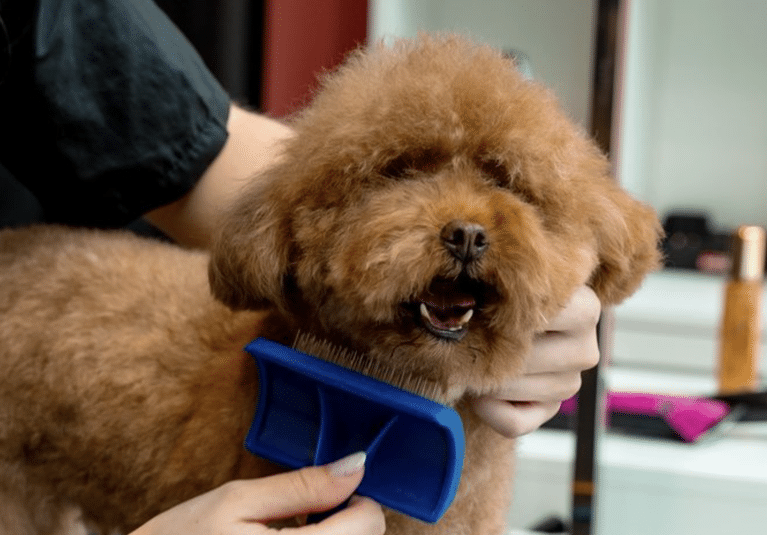
Proper brushing technique varies by coat type, but the general principle of working in sections, from the skin outward, and using appropriately gentle pressure applies broadly. Rushing through brushing or using excessive force tends to cause discomfort and build negative associations.
Practice brushing regularly, even briefly, rather than only during dedicated grooming sessions, this regular exposure keeps your dog comfortable with the process and prevents mats from building up between sessions.
Approaching Nail Trims With Confidence
Nail trimming is often the most anxiety-inducing grooming task for both owners and dogs, but a calm, gradual approach helps. Trim a small amount at a time, especially with darker nails where the quick isn’t visible, rather than attempting to cut to a specific length in one motion.
If your dog is particularly anxious about nail trims, consider trimming just one or two nails per session initially, building comfort gradually rather than pushing through a full trim that creates lasting stress.
Bathing Your Dog Properly
Proper bathing technique includes thoroughly wetting the coat, using an appropriate dog-specific shampoo, and rinsing completely, since leftover shampoo residue can cause skin irritation. Water temperature matters too, lukewarm water is generally most comfortable for most dogs.
Have everything you need ready before starting the bath, towels, shampoo, a non-slip mat if bathing in a tub, this preparation prevents an already potentially stressful process from becoming more chaotic than necessary.
Ear Cleaning Basics
Proper ear cleaning involves a gentle, vet-approved solution and a soft cloth or cotton ball, never inserting anything deep into the ear canal. Clean the visible, accessible parts of the ear gently, and consult your vet if you notice significant buildup, odor, or signs of irritation.
Introduce ear handling gradually if your dog isn’t used to it, building comfort with simply having their ears touched before attempting actual cleaning.
Introducing Teeth Brushing
Dental care is often the most overlooked home grooming task, but introducing tooth brushing gradually, starting with simply touching your dog’s mouth and gums before introducing an actual brush, builds genuine tolerance over time. Use dog-specific toothpaste, human toothpaste can be harmful to dogs.
Consistency matters more than perfection here, even brushing a few times a week provides real dental health benefits compared to no regular brushing at all.
Recognizing When to Call in a Professional
Home grooming has real limits, and recognizing when a task calls for professional expertise, complex breed-specific cuts, severe matting, anal gland expression, matters for both your dog’s safety and comfort. This isn’t a failure of home grooming, it’s appropriate recognition of task complexity.
Building a relationship with a trusted professional groomer for these specific tasks, while handling routine maintenance at home, is a practical approach for most dog owners.
Building Consistency Over Time
A home grooming routine only provides real benefit if it’s truly consistent, and building this consistency, a set schedule, a designated space, a predictable process, matters more than any single grooming session’s technical perfection. Consistency is really what makes home grooming effective.
Track your grooming schedule if it helps maintain consistency, a simple calendar reminder system prevents grooming tasks from being pushed aside during busier periods.
A Suggested Grooming Frequency by Task
Different grooming tasks call for different frequencies, and having a rough reference prevents both over-grooming and letting things slide too long between sessions.
| Task | Typical Frequency |
|---|---|
| Brushing | Weekly at minimum, daily for long or double coats |
| Bathing | Every 4-6 weeks, adjusted for activity and skin condition |
| Nail trims | Every 3-4 weeks, or when you hear clicking on hard floors |
| Ear cleaning | As needed based on inspection, weekly checks for floppy-eared breeds |
| Teeth brushing | Several times a week at minimum, daily for the most benefit |
| Paw and pad checks | Weekly, more often after walks on rough or hot terrain |
Adjust this table based on your specific dog’s coat type, activity level, and any individual health considerations, it’s a starting point, not a rigid rule.
[INSERT IMAGE: grooming-frequency.png]
Building a Grooming Kit That Actually Gets Used
A grooming kit scattered across different rooms or buried in a closet tends to get skipped simply because it’s inconvenient to gather everything. Keeping your core tools together in one dedicated bag or caddy, stored somewhere visible and accessible, removes that friction and makes the whole routine considerably easier to maintain consistently.
Do a quick inventory check every few months, replacing worn brushes or emptied products, so you’re never mid-session discovering something’s missing.
Troubleshooting Common Home Grooming Struggles
Dog won’t hold still for nail trims: Break the task into one or two nails at a time rather than a full trim in one sitting, building tolerance gradually over several short sessions.
Coat mats faster than you can keep up: Consider more frequent, shorter brushing sessions rather than one longer weekly session, mats are considerably easier to prevent than to remove.
Dog seems anxious about the whole process: Slow down further than feels necessary, and consider pairing every single grooming session with your dog’s favorite treat until the anxiety genuinely eases.
Bath time turns into a wrestling match: A non-slip mat in the tub and a handheld sprayer rather than pouring water directly over the head often resolves a surprising amount of bath-time resistance.
Final Thoughts
Building a genuine home grooming routine takes some initial patience and learning, but it’s an achievable skill for most dog owners that provides real practical and health benefits over time. Understanding your dog’s specific coat type, building a solid basic tool kit, and approaching each grooming task with patience and consistency together create a sustainable routine that benefits both you and your dog.
If you’re just starting to build a home grooming routine, begin with the tasks that feel most approachable, often brushing and basic ear checks, and gradually add more complex tasks as your confidence and your dog’s comfort both increase. A routine built gradually and consistently tends to hold up far better than one attempted all at once. Once grooming itself feels manageable, our broader guide to a simple dog care routine shows how to fold it into everything else your dog needs.