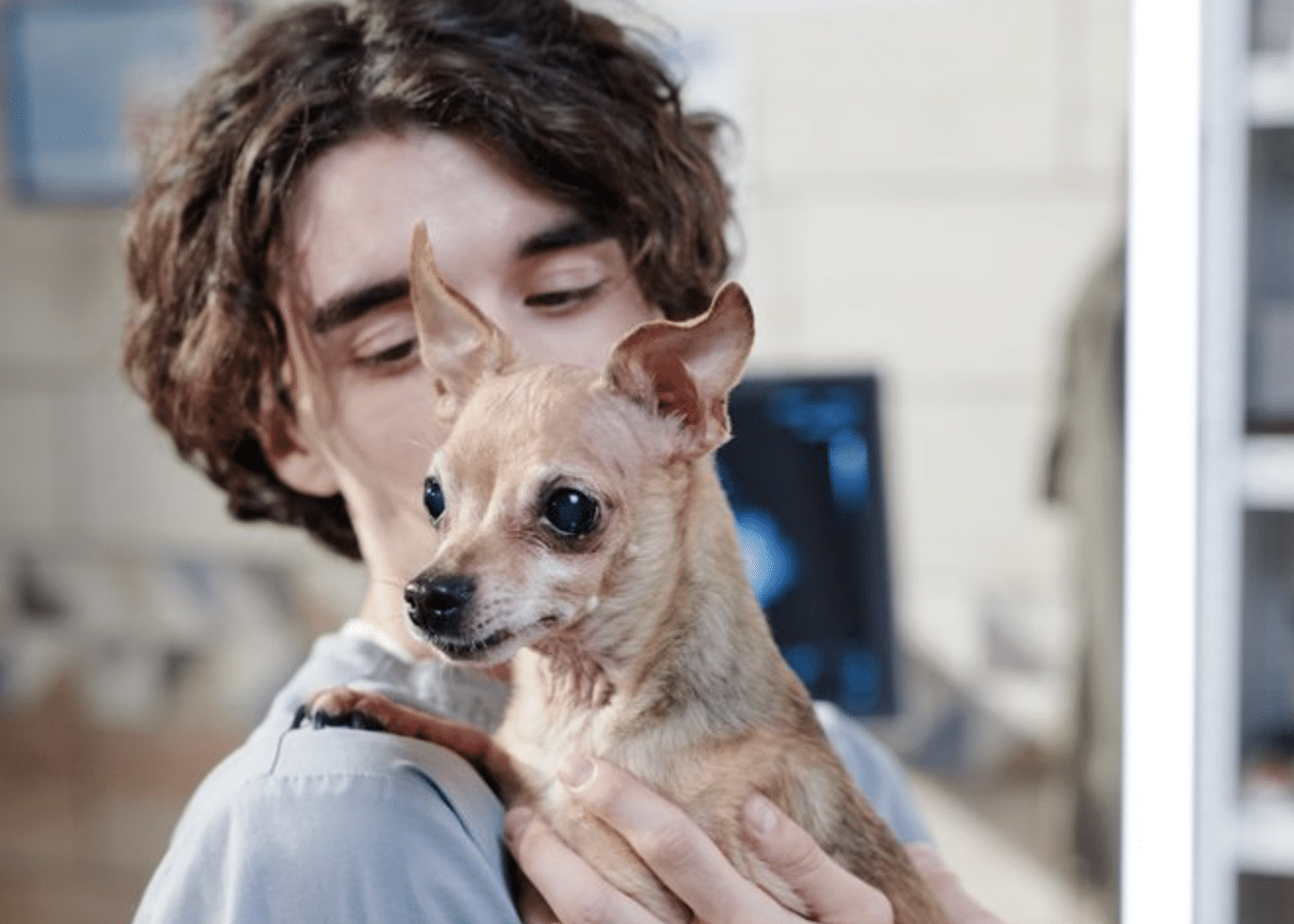
How to Help a Rescue Dog Adjust to Their New Home
This guide draws on widely used rescue and behavior professional guidance on canine adjustment. If your dog’s adjustment involves aggression or severe anxiety, reach out to a certified trainer or veterinary behaviorist directly.
The moment a rescue dog arrives at their new home marks the beginning of a genuine adjustment process, one that unfolds gradually rather than instantly, regardless of how ready both you and the dog might feel on day one. Understanding how to actively support this transition, rather than expecting an immediate smooth fit, makes a real difference in how quickly and fully a rescue dog settles into their new life.
This guide covers practical, specific ways to support a rescue dog’s adjustment, from the first hours home through the following months as a genuine bond develops, and pairs naturally with positive reinforcement training once your dog has had some initial time to settle.
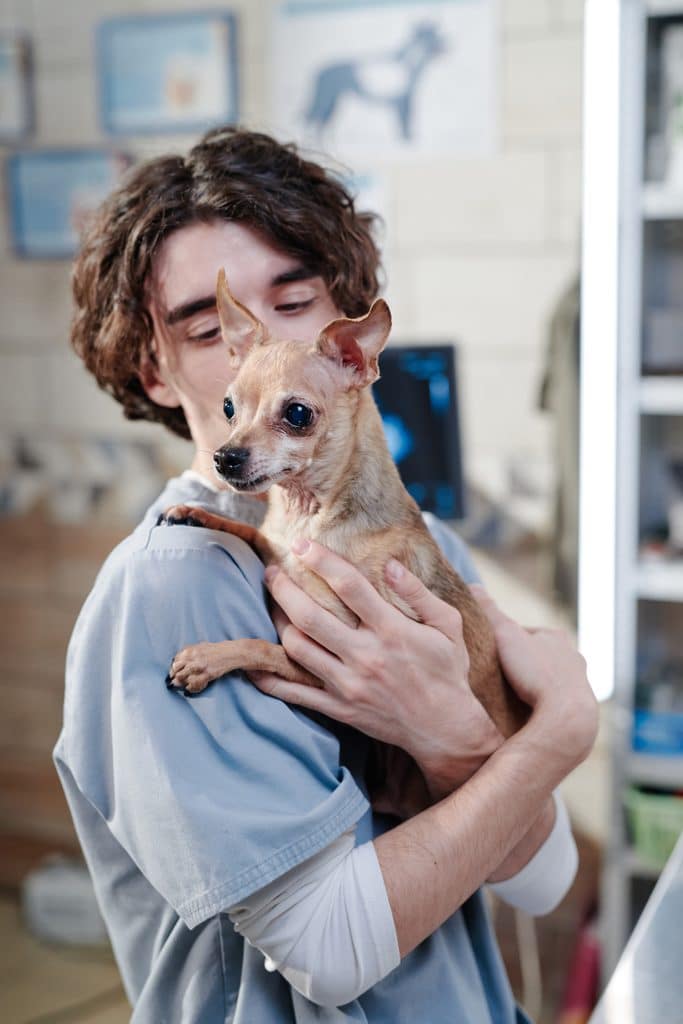
Understanding the Decompression Timeline
Many rescue professionals reference a rough “three-day, three-week, three-month” framework for understanding a dog’s adjustment timeline. In the first three days, a dog is often still in shock or overwhelmed, showing behavior that doesn’t yet reflect their true personality. By three weeks, a dog typically starts settling into routine and showing more of their authentic self. By three months, a genuine sense of security and trust in their new home usually develops fully.
This isn’t a strict rule, every dog adjusts at their own pace, but understanding this general framework helps set realistic expectations rather than judging a dog’s true temperament based on their first overwhelmed days home.
Creating a Calm, Predictable Environment
Rescue dogs, especially those with an uncertain or difficult history, benefit enormously from a calm, predictable environment during the early adjustment period. Minimizing overwhelming stimulation, too many visitors, loud environments, chaotic schedules, in those first weeks helps a dog’s nervous system settle rather than staying in a heightened state.
Establish a consistent daily routine as early as possible, feeding times, walk schedules, quiet time, since predictability itself is genuinely calming for a dog navigating a major life transition.
Giving a Dog Their Own Safe Space
Providing a dedicated, comfortable space, a crate, a specific bed in a quiet corner, gives a rescue dog somewhere to retreat when feeling overwhelmed, which matters enormously during an adjustment period. This space should be genuinely theirs, not a place used for correction or forced isolation.
Respect this space fully, teaching kids and visitors not to disturb a dog who’s retreated there, reinforces that it’s a safe place rather than just another spot in the house.
Managing Introductions to New People and Pets
Overwhelming a newly adopted dog with too many new introductions too quickly can slow their adjustment considerably. Space out introductions to extended family, friends, and any resident pets, allowing your dog genuine time to settle into the core household before adding additional new relationships to navigate.
For resident pets specifically, a slow, structured introduction process, often over days or even weeks depending on the animals involved, tends to lead to better long-term relationships than a rushed initial meeting.
Building Trust Through Positive, Low-Pressure Interactions
Trust develops through consistent, positive interactions over time, not through forced affection or rushed bonding attempts. Let a newly adopted dog approach you on their own terms as much as possible, rather than pushing physical affection before they’re ready for it.
Simple activities, sitting quietly nearby, offering treats by hand, calm praise for relaxed behavior, build genuine trust gradually and tend to work better than more intense bonding attempts in those early days.
Establishing Basic Structure Without Overwhelming Training
While formal training can generally wait until a dog has had some initial time to settle, establishing basic household structure, where they sleep, when they eat, what areas are off-limits, matters from day one for building a sense of security. This isn’t about intensive training, just clear, consistent boundaries.
Once a dog has had some initial adjustment time, gradually introducing basic positive reinforcement training helps build both practical skills and the trust that comes from clear, predictable communication.
Watching for Signs of Stress and Responding Appropriately
Learning to recognize signs of stress, excessive panting, pacing, hiding, loss of appetite, helps you respond appropriately during the adjustment period rather than pushing a dog beyond what they’re ready for. These signs are normal to some degree during a major transition, but persistent or severe stress signals may warrant additional support.
Reach out to your adoption organization or a professional trainer if stress signs persist beyond what seems like a normal adjustment period, early support tends to prevent bigger challenges down the line.
Being Patient With Setbacks
House training regressions, unexpected fear reactions, or behavioral surprises are a normal part of many rescue dog adjustments, even after apparent early progress. Responding to these setbacks with patience rather than frustration matters enormously for maintaining the trust you’ve been building.
Reframe setbacks as normal parts of the process rather than signs that something’s fundamentally wrong, this mindset shift makes a genuine difference in how you respond in the moment.
Celebrating Small Wins Along the Way
Progress during a rescue dog’s adjustment often shows up in small moments, a first genuine tail wag, choosing to approach you rather than retreat, sleeping soundly through the night. Noticing and appreciating these small wins helps you stay motivated through a process that can sometimes feel slow.
Keep a loose journal or notes of these small moments if it helps, looking back after a few months often reveals genuine, meaningful progress that might be hard to notice day to day.
Knowing When to Seek Professional Support
Some adjustment challenges benefit from professional support, a certified trainer or veterinary behaviorist, particularly for dogs showing significant fear, reactivity, or anxiety that isn’t improving with patience and consistency alone. Seeking this support isn’t a sign of failure, it’s a proactive step toward a really successful long-term outcome.
Ask your adoption organization for trainer recommendations if needed, many have relationships with trainers who understand rescue dog adjustment specifically and can offer more targeted support than general training advice.
The Decompression Timeline in Practice
The “three-day, three-week, three-month” framework mentioned earlier is worth breaking down further, since knowing roughly what to expect at each stage helps you calibrate your own expectations realistically.
| Stage | What’s Typically Happening | What You Can Do |
|---|---|---|
| Days 1-3 | Overwhelm, shutdown, or unpredictable behavior | Keep things calm and low-key, minimize new stimulation |
| Weeks 1-3 | Testing boundaries, routine starting to form | Establish consistent structure, begin gentle training |
| Months 1-3 | True personality emerging, trust deepening | Build on that trust, expand socialization gradually |
| Beyond 3 months | Full sense of security in most cases | Continue routine, address any remaining challenges |
This timeline is a general guide, not a guarantee, some dogs settle faster, others take considerably longer, particularly dogs with a more difficult history. Treat it as a rough compass rather than a strict deadline.
[INSERT IMAGE: decompression-timeline.png]
Common Adjustment Challenges and What They Usually Mean
Won’t eat for the first day or two: Usually stress-related and typically resolves within 24-48 hours. Persistent refusal beyond that warrants a vet check.
Hiding or avoiding interaction: Normal early behavior, respect the space rather than forcing interaction, most dogs initiate contact on their own timeline once they feel safer.
House training accidents despite prior training: Common during the stress of transition, not usually a sign the dog was never trained, patience and a consistent routine typically resolve this within the first few weeks.
Sudden vocalization or destructive behavior: Often anxiety-related, worth ruling out separation anxiety specifically if it happens mainly when alone.
When Adjustment Challenges Suggest Professional Support
Most adjustment struggles resolve with patience and time, but a few patterns are worth flagging for professional help sooner rather than later: any sign of aggression, anxiety that seems to worsen rather than improve over several weeks, or a dog who seems unable to settle at all even in a calm, consistent environment.
Reaching out early tends to produce better outcomes than waiting to see if things resolve on their own, and it’s not a sign that the adoption isn’t working, most challenges addressed early are genuinely temporary.
Final Thoughts
Helping a rescue dog adjust to their new home is a genuine process that unfolds over weeks and months, not something that happens instantly on day one. Creating a calm, predictable environment, respecting a dog’s own pace for building trust, and responding to setbacks with patience rather than frustration together create the conditions for a successful, lasting adjustment.
If you’re in the early days of a new rescue dog adjustment and feeling discouraged, remember that the timeline does tend to improve with patience and consistency. The bond that develops after those first challenging weeks and months is often described by rescue dog owners as some of the most rewarding relationships they’ve ever had with a pet, precisely because of the trust that had to be earned along the way. Our guide to socializing a dog at any age is worth reading alongside this one, especially for a rescue dog with limited early exposure to new people and experiences.