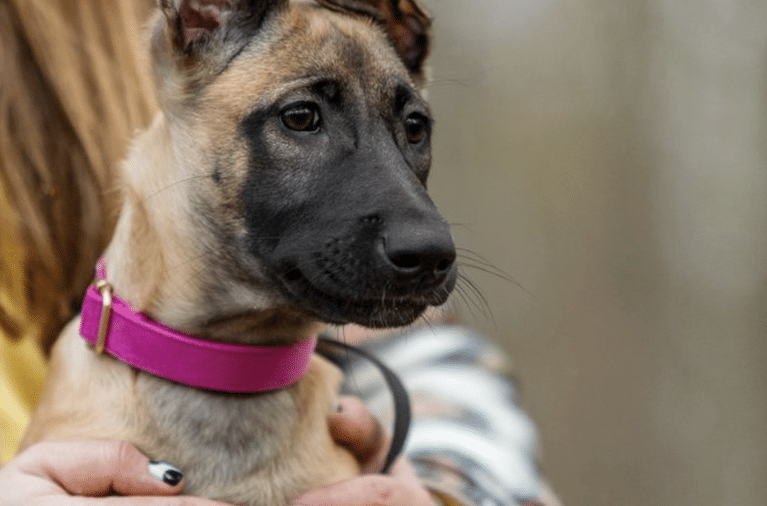

17 Signs a Shelter Dog Is Ready to Come Home With You
It’s a common misconception that a shy, withdrawn dog at a shelter just needs “the right person,” when really, specific behavioral signs are a far more reliable guide than a hopeful feeling alone. Here are 17 signs worth watching for during a shelter visit, moving toward the one that tends to matter most for a lasting match, and pairing them with the right questions to ask shelter staff gives you an even fuller picture.

17. Makes Eye Contact Without Flinching
A dog that can hold eye contact calmly, without flinching or looking away in apparent fear, often shows a baseline of comfort and trust that bodes well for a new relationship. This isn’t about intense staring, just relaxed, natural engagement.
Shelter staff can often tell you whether this behavior is consistent or situational, worth asking directly during your visit.
16. Approaches the Front of the Kennel Calmly
A dog that comes to the front of their kennel in a relaxed, curious way, rather than either cowering in the back or throwing themselves against the gate, often shows a manageable baseline temperament. Both extremes can still make wonderful pets, but this middle ground often signals an easier initial adjustment.
Spend a few quiet minutes near the kennel before deciding anything, first reactions in a loud shelter environment don’t always reflect a dog’s true temperament.
15. Responds to Their Name or Basic Cues
If a dog already responds to their name or shows any recognition of basic cues, it’s often a sign of some prior training and general responsiveness to people. This isn’t a dealbreaker if a dog doesn’t have this yet, but it can suggest an easier training start.
Shelter staff can usually tell you what commands, if any, a specific dog already knows from their intake assessment or time in foster care.
14. Shows Interest in Toys or Play
A dog that engages with a toy or shows genuine interest in play, even briefly, often demonstrates emotional resilience and a capacity for normal, healthy engagement despite a stressful shelter environment. This playfulness is a good sign of underlying temperament.
Ask shelter staff if you can bring a toy into a meet-and-greet room to see how a specific dog responds outside their kennel.
13. Tolerates Handling Calmly
A dog that allows gentle handling, paws, ears, a light touch along their back, without significant distress often shows a level of comfort with people that suggests an easier transition into a new home. This is also a practical sign for future grooming and vet visits.
Ask shelter staff about a dog’s handling history during your visit, since some dogs simply need more time and gentle work to build this comfort.
12. Recovers Quickly From Startling Noises
Shelters are loud, and a dog that startles at a sudden noise but recovers within a few seconds, rather than staying anxious for an extended period, often shows a resilient temperament that adapts well to change. This is a genuinely useful sign given how much change is involved in any adoption.
Watch for this specifically during a meet-and-greet session away from the main kennel area, where you can observe the dog’s baseline reaction without as much noise and distraction.
11. Shows Curiosity Rather Than Fear in New Situations
A dog that approaches something new, an unfamiliar object, a new person, a new room, with curiosity rather than fear often adapts more easily to the many new experiences that come with a new home. This trait tends to translate into an easier overall adjustment period.
Meet-and-greet rooms are a good place to observe this, introducing a new toy or object and watching the dog’s genuine reaction.
10. Displays Relaxed Body Language
Loose, relaxed body posture, a softly wagging tail, relaxed ears, an open mouth, tends to indicate a dog who’s comfortable in the moment rather than in a heightened state of stress. Learning to read these basic body language signals helps you get a more accurate read during a shelter visit.
Shelter staff are often well-versed in reading a specific dog’s body language and can help point out what’s typical for that individual dog.
9. Doesn’t Show Resource Guarding During Feeding
If shelter staff report that a dog eats calmly without guarding food, or if you’re able to safely observe this directly, it’s a good sign for an easier transition into a multi-pet or family household. Resource guarding isn’t a dealbreaker with proper training, but its absence simplifies the early adjustment period.
Always ask shelter staff about a dog’s documented behavior around food and resources before assuming anything based on a brief visit alone.
8. Interacts Well During a Supervised Meet-and-Greet
A structured meet-and-greet, away from the noise and stress of the main kennel area, often reveals a dog’s true temperament more accurately than a kennel-side visit alone. A dog who engages positively in this calmer setting is showing you a more honest picture of who they are day to day.
Take advantage of this option if your shelter offers it, it’s one of the most reliable ways to get an accurate read before making a decision.
7. Shows Willingness to Approach New People
A dog that approaches new visitors during a meet-and-greet, rather than retreating or showing prolonged fear, often adjusts more easily to the various new people involved in a life transition, movers, visitors, extended family. This isn’t a requirement, reserved dogs can make wonderful pets too, but it’s a helpful data point.
Bring a family member or friend along if possible, to see how a specific dog responds to more than one new person at once.
6. Settles Down After Initial Excitement
A dog that gets excited when you enter a meet-and-greet room but settles into a calmer state after a few minutes shows good emotional regulation, a trait that often translates well into a new home environment. Dogs that can’t settle at all, even after real time, may need more specialized support during their transition.
Give a meet-and-greet real time, at least fifteen to twenty minutes, rather than judging based on the first excited minute alone.
5. Shows Interest in Treats and Food Rewards
A dog that’s motivated by treats often responds well to positive reinforcement training, which makes the early training period in a new home considerably smoother. This is a practical, useful sign beyond just general temperament.
Ask if you can bring a few treats into a meet-and-greet to see how a specific dog responds, this also gives you a preview of how training might go once home.
4. Has a Documented History With Foster Care
Dogs who’ve spent time in a foster home often come with real, documented insight into their temperament, house manners, and behavior around other pets or kids, information that’s simply not available for a dog who’s only been in a shelter kennel. This foster history is a genuinely valuable resource for making an informed decision.
Ask specifically whether a dog you’re interested in has foster history and request to speak with that foster family if possible, their firsthand insight is often more useful than a brief shelter visit alone.
3. Shows Comfort Around Other Dogs, If Relevant to Your Household
If you have other dogs at home, observing a shelter dog’s reaction during a supervised introduction matters enormously for predicting how that relationship will actually go. Comfort and appropriate social behavior around other dogs during this introduction is a strong, practical sign.
Always arrange a proper introduction through the shelter rather than assuming compatibility, most shelters have a structured process specifically for this.
2. Shelter Staff Can Speak to Consistent Behavior Over Time
Staff and volunteers who’ve spent real time with a specific dog can often speak to consistent behavioral patterns observed over days or weeks, information that’s far more reliable than any single visit’s impression. This kind of longitudinal insight is one of the most valuable resources available during the adoption process.
Ask direct questions about a dog’s behavior over time, energy patterns, any behavioral notes, rather than relying solely on your own brief observations.
1. Your Own Genuine Connection During the Visit
Beyond every specific behavioral sign, a genuine sense of connection during your time together, a comfort and mutual curiosity that develops even in a short visit, is worth taking seriously. This isn’t something that can be fully explained through a checklist, but it matters enormously for a lasting match.
TL;DR: trust the practical signs on this list and your own genuine connection with a dog together, not either one alone. Once you’ve made that decision, our complete adoption guide and our post on helping a rescue dog adjust cover everything that comes next.