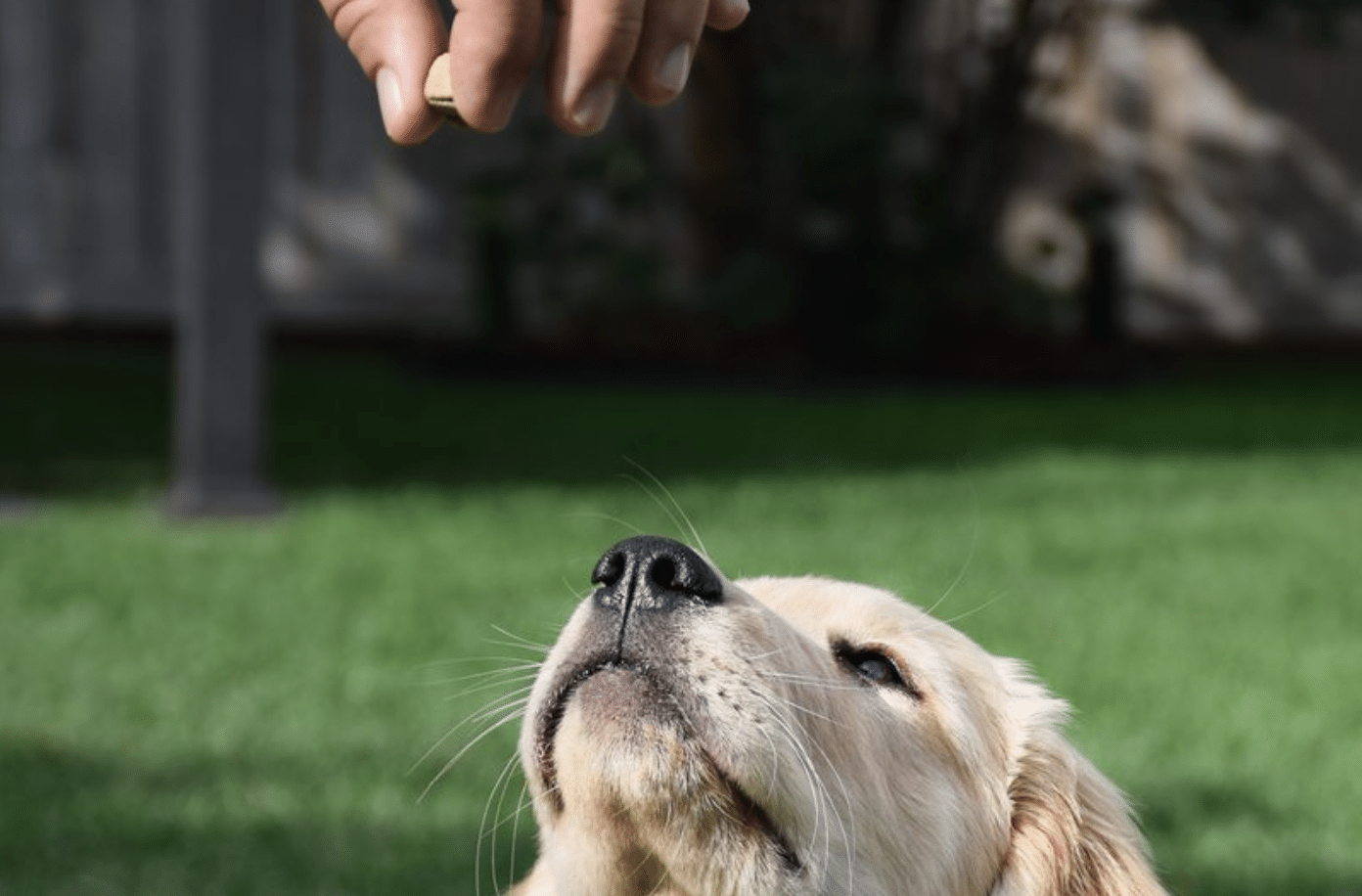
17 Puppy Training Tips That Actually Work
Puppy training can feel overwhelming with so much conflicting advice available, but the approaches that actually work tend to share some common threads, consistency, patience, and a genuine understanding of how puppies learn best. Getting these fundamentals right early makes a real difference in how smoothly the rest of a dog’s training journey unfolds.
Here are 17 puppy training tips that consistently hold up in practice, moving toward the one that tends to matter most overall. None of these require special equipment or expertise, just a genuine commitment to consistency and patience, the same core ideas covered in more depth in our beginner’s guide to positive reinforcement.
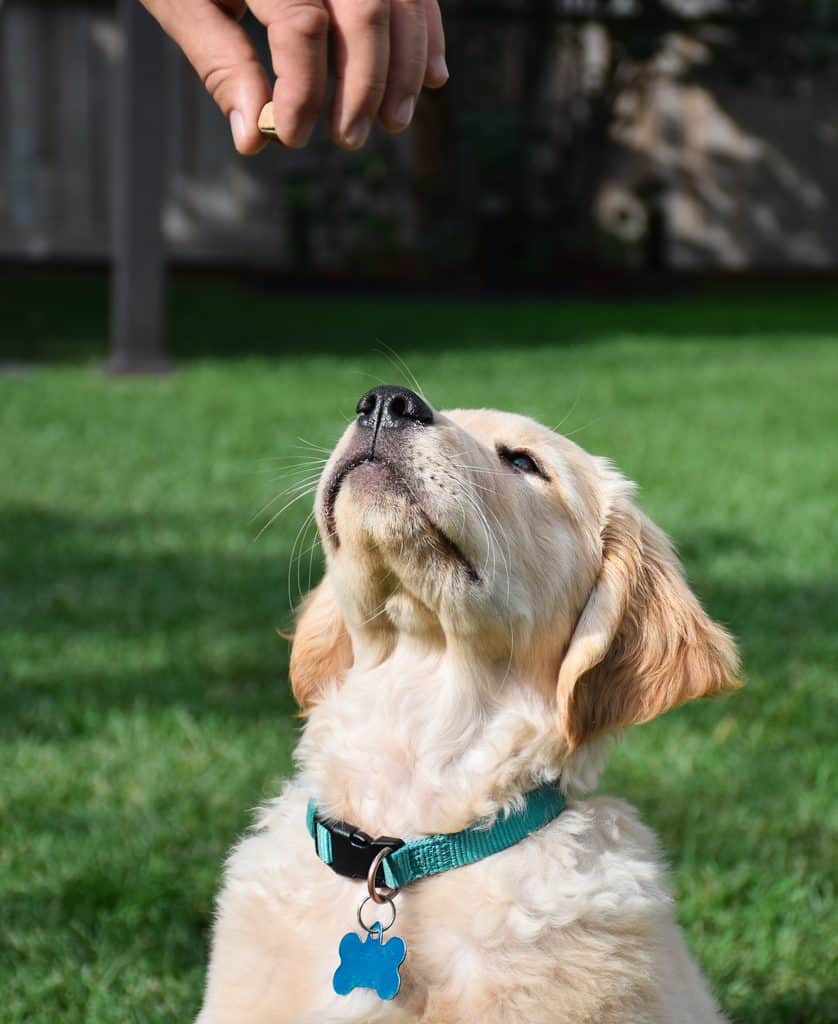
17. Start Training From the Day Your Puppy Comes Home
Training doesn’t need to wait until a puppy reaches a certain age, even very young puppies can begin learning basic routines and simple cues from their very first days home. Early, gentle training sets a foundation that makes later, more formal training considerably easier.
Keep these early sessions short and genuinely positive, the goal is building a foundation of trust and engagement, not achieving perfect execution right away.
16. Use Short, Frequent Training Sessions
Puppies have limited attention spans, and several short sessions throughout the day tend to be far more effective than one longer session that outlasts genuine engagement. Five to ten minutes per session is often plenty for a young puppy.
Watch for signs of waning attention or frustration and end sessions on a positive note before that happens, ending on success matters more than pushing through a full planned session.
15. Choose One Consistent Set of Cue Words
Using the same specific word for each command, and making sure everyone in the household uses the same words, prevents confusion during the learning process. Switching between “down” and “lie down” for the same behavior, for example, genuinely slows learning.
Write down your household’s agreed-upon cue words if needed, this small step prevents accidental inconsistency between different family members.
14. Reward Immediately, Not After a Delay
Timing matters enormously in positive reinforcement training, a reward needs to happen within a second or two of the desired behavior for a puppy to truly make the connection. A delayed reward risks reinforcing whatever behavior happened in between instead.
Keep treats easily accessible during training sessions specifically so you can reward quickly, fumbling for a treat wastes valuable timing.
13. Prioritize House Training Consistency
House training success depends heavily on consistency, taking your puppy out at the same key times, immediately after waking, eating, and playing, and rewarding successful outdoor bathroom breaks immediately. Inconsistent timing really slows this process down.
Keep a simple log during the early weeks if it helps you notice patterns, this makes it easier to anticipate your puppy’s needs before an accident happens.
12. Socialize Early and Thoughtfully
The early weeks of a puppy’s life are a truly important window for positive socialization, exposure to new people, sounds, environments, and other dogs in a controlled, positive way. This early foundation shapes a dog’s confidence and comfort level for years to come.
Keep socialization experiences positive and not overwhelming, quality of exposure matters more than sheer quantity during this sensitive developmental period.
11. Use High-Value Treats for New or Difficult Skills
Not all rewards carry the same motivational value, and reserving especially appealing treats for new or particularly challenging skills helps maintain your puppy’s engagement and motivation. Save the everyday kibble-level treats for reinforcing already-learned behaviors.
Experiment to find what truly motivates your specific puppy, this varies more between individual dogs than people sometimes expect.
10. Practice Crate Training Positively
A crate, introduced positively rather than as punishment, can become a truly comfortable, secure space for a puppy and a valuable training tool. Forcing a puppy into a crate or using it punitively tends to create negative associations that undermine its usefulness.
Make the crate a positive space through treats, meals, and gradual, positive introduction, this investment pays off considerably in the crate’s long-term usefulness.
9. Address Nipping and Mouthing Early
Puppy nipping is developmentally normal, but addressing it early with consistent redirection to appropriate chew items and clear feedback prevents it from becoming a harder habit to break later. This is one of the more common early training challenges new puppy owners face.
Consistency matters enormously here, mixed signals about whether nipping is acceptable confuse a puppy and slow progress.
8. Practice Handling and Touch Regularly
Regularly and gently handling a puppy’s paws, ears, mouth, and body, paired with positive reinforcement, builds comfort with handling that pays off enormously during future grooming and vet visits. This is easy to build into normal daily interactions.
Keep these handling sessions brief and positive, especially early on, building duration gradually as comfort increases.
7. Don’t Punish Accidents or Mistakes Harshly
Harsh punishment for house training accidents or training mistakes tends to create fear and anxiety rather than genuine understanding, and can actually slow overall training progress. Redirecting to appropriate behavior and rewarding success works considerably better than punishing failure.
If an accident happens, simply clean it up and redirect focus forward, dwelling on or punishing a mistake after the fact doesn’t help a puppy make the connection you’re hoping for.
6. Build in Play as Part of Training
Incorporating play into training sessions keeps a puppy engaged and reinforces that training time is positive, not just a series of demands. This also naturally supports the bond that underlies effective training long-term.
Alternate between formal training moments and genuine play within sessions, this balance tends to maintain better engagement than a purely structured approach throughout.
5. Generalize Commands Across Different Environments
A puppy who reliably sits in your living room may not yet understand the same command in a new environment, a park, a friend’s house, a busy sidewalk. Practicing commands across a variety of settings truly helps a puppy generalize their learning rather than only responding in one familiar context.
Introduce new environments gradually, starting with somewhat familiar, lower-distraction settings before progressing to busier, more challenging ones.
4. Manage the Environment to Set Your Puppy Up for Success
Rather than relying purely on correction after an unwanted behavior happens, managing the environment, baby gates, appropriate chew toys within reach, supervised freedom, prevents a lot of problem behaviors from happening in the first place. This proactive approach reduces training frustration for everyone.
Think through your specific home environment from your puppy’s perspective, identifying and addressing likely temptations before they become recurring problems.
3. Stay Patient Through the Inevitable Setbacks
Puppy training rarely progresses in a perfectly straight line, and setbacks, a regression in house training, a previously reliable command suddenly ignored, are a actually normal part of the process, not a sign that something’s fundamentally wrong. Staying patient through these moments matters enormously.
Reframe setbacks as normal information rather than failure, this mindset shift makes a real difference in how you respond and how quickly training gets back on track.
2. End Every Session on a Positive Note
Ending training sessions with a success, even a simple, already-mastered command, rather than on a struggle or a frustrating moment, helps maintain your puppy’s positive association with training overall. This small habit compounds considerably over the course of many sessions.
If a session isn’t going well, step back to something your puppy already knows well before ending, this ensures the session closes on genuine success rather than frustration for either of you.
1. Prioritize Consistency Above All Else
The single most important factor in effective puppy training isn’t any specific technique, it’s genuine consistency, in cue words, in expectations, in response to both good and unwanted behavior, across every person in the household.
Before your puppy’s next training session, check:
- Does everyone in the household use the exact same cue words?
- Are you rewarding within a second or two of the desired behavior?
- Is the session short enough to end on a genuine success?
Inconsistency is the single biggest factor that slows down or undermines otherwise sound training efforts. If your puppy is showing signs of restlessness that basic training alone doesn’t seem to fix, our post on signs your dog needs more mental stimulation covers what’s often really going on.