How to Socialize Your Dog at Any Age
This guide draws on general socialization principles used by trainers and behaviorists. A dog with significant fear or a difficult history may benefit from working directly with a certified professional.
Socialization is often discussed primarily in the context of puppies, but dogs of any age genuinely benefit from thoughtful, positive socialization efforts, whether you’re working with a young puppy, an adult dog with limited early exposure, or a rescue dog with an unknown or challenging history. Understanding how to approach socialization appropriately at each life stage matters for genuine, lasting success.
This guide covers socialization principles and practical approaches across different ages and situations, helping you support your dog’s confidence and comfort regardless of where they’re starting from, including a rescue dog still working through the adjustment covered in helping a rescue dog adjust to their new home.
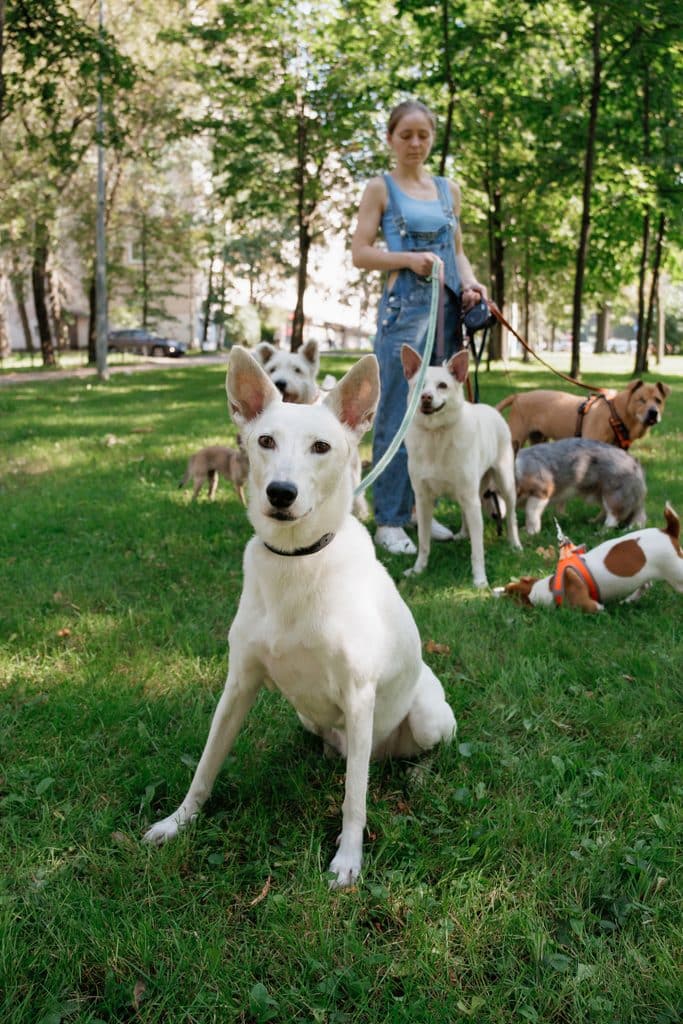
Understanding What Socialization Actually Means
Genuine socialization isn’t simply exposing a dog to as many new things as possible, it’s providing positive, manageable exposure that builds real confidence and comfort over time. Overwhelming exposure without positive association can actually work against socialization goals, creating fear rather than confidence.
Quality of exposure matters more than sheer quantity, a dog who has a few genuinely positive experiences with new people tends to generalize better than one who’s had many overwhelming, poorly managed encounters.
Socializing Young Puppies During the Critical Period
Puppies have a genuinely important developmental window, roughly between three and fourteen weeks, where positive experiences have an outsized impact on lifelong confidence and behavior. This doesn’t mean socialization stops mattering after this window, but it does mean early positive experiences carry particular weight.
Focus on quality, positive exposure to a variety of people, sounds, surfaces, and environments during this window, while being mindful of your puppy’s vaccination status and consulting your vet about appropriately balancing socialization needs with health considerations.
Socializing Adolescent Dogs Through a Fear Period
Adolescent dogs sometimes go through a secondary fear period, where previously confident behavior temporarily regresses around new or even familiar stimuli. Understanding this as a normal developmental phase, rather than a training failure, helps you respond with appropriate patience rather than concern.
Continue positive, low-pressure socialization experiences during this period, avoiding forcing interactions that seem to trigger new hesitancy, this patient approach tends to support a return to previous confidence levels.
Socializing an Adult Dog With Limited Early Exposure
Adult dogs with limited early socialization can still build confidence and comfort with new experiences, though the process typically requires more patience and a slower, more gradual approach than what works well with a young puppy. This is entirely achievable, just on a different timeline.
Start with lower-intensity, more controlled exposures, and build gradually based on your dog’s actual comfort level rather than a fixed timeline, adult dogs benefit from a pace tailored to their specific starting point.
Socializing a Rescue Dog With an Unknown History
Rescue dogs often come with limited or no information about their early socialization experiences, and approaching their socialization with extra patience and careful observation of their individual comfort signals matters enormously. Assume nothing about what they have or haven’t been exposed to, and let their actual reactions guide your pace.
Give a newly adopted rescue dog real time to settle into their new home before pushing significant new socialization experiences, the adjustment period itself deserves priority before adding additional new challenges.
Reading Your Dog’s Comfort Signals
Learning to recognize signs of stress versus genuine comfort, body language, vocalization, willingness to engage, helps you calibrate socialization experiences appropriately for your specific dog’s actual state in the moment. Pushing past clear discomfort signals tends to undermine socialization goals rather than support them.
Watch for signs like lip licking, yawning outside of tiredness, tucked tail, or attempts to retreat, these often indicate a dog who needs more distance or a slower pace than what’s currently happening.
Socializing Around Other Dogs
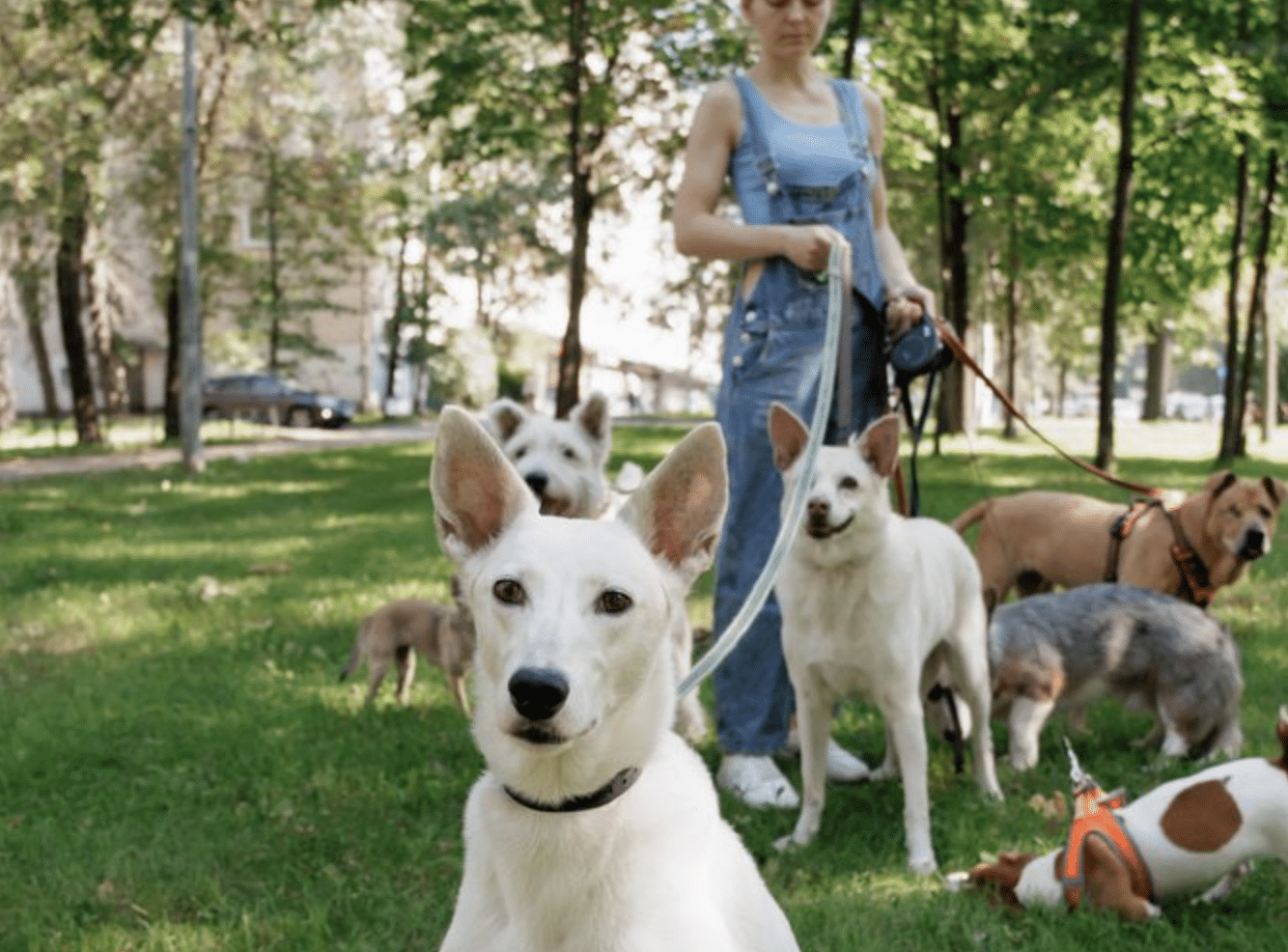
Dog-to-dog socialization deserves particular care, since a negative interaction can have an outsized impact on future comfort around other dogs. Controlled, positive introductions with known, appropriately matched dogs tend to work better than uncontrolled encounters at a busy dog park, especially for a dog still building this specific comfort.
Consider your dog’s individual play style and energy level when choosing socialization partners, mismatched play styles can create negative associations even when both dogs are individually friendly.
Socializing Around New Environments and Experiences
Beyond people and other dogs, socialization also includes comfort with new environments, sounds, and experiences, car rides, different surfaces, various sounds and environments a dog might encounter throughout their life. Gradual, positive exposure to this broader range of experiences supports overall confidence and adaptability.
Introduce new environments gradually, starting with lower-intensity versions before progressing to more challenging ones, a quiet park before a busy street festival, for example.
Maintaining Socialization Throughout a Dog’s Life
Socialization isn’t a one-time developmental task that’s complete after puppyhood, ongoing positive exposure throughout a dog’s life helps maintain and even build on established confidence and comfort. Dogs who stop encountering new experiences for extended periods sometimes show reduced comfort with novelty even after a solid early foundation.
Continue providing varied, positive experiences throughout your dog’s life, not as intensively as during critical developmental periods, but consistently enough to maintain genuine confidence and comfort over time.
Knowing When to Seek Professional Support
Some dogs, particularly those with significant fear or a challenging history, benefit from professional guidance, a certified trainer or veterinary behaviorist experienced in fear and socialization work, especially when progress seems stalled or a dog’s fear seems disproportionate to typical developmental patterns. This isn’t a sign that you’ve done something wrong.
Seek professional support proactively rather than waiting until a situation feels unmanageable, early intervention tends to produce better outcomes than addressing a well-established fear pattern later.
A Socialization Approach by Starting Point
Since the right approach depends heavily on where your dog is actually starting from, here’s a quick reference for calibrating your pace.
| Starting Point | Recommended Pace | Key Focus |
|---|---|---|
| Young puppy in critical window | Frequent, varied, positive exposure | Quality of experience over quantity |
| Adolescent in a fear period | Patient, low-pressure, no forcing | Maintaining prior confidence, not rushing new challenges |
| Adult with limited early exposure | Slow, gradual, dog-led pace | Building trust before expanding challenge |
| Rescue with unknown history | Very gradual, careful observation | Reading individual comfort signals closely |
Use this as a starting orientation, then adjust based on your specific dog’s actual reactions rather than sticking rigidly to a category.
A Few Specific Exercises Worth Trying
The “look at that” game: When your dog notices something new from a comfortable distance, mark and reward calm observation, gradually working closer over multiple sessions as comfort builds.
Structured greetings: Practice calm introductions to new people with a clear beginning and end, rather than open-ended, potentially overwhelming interactions.
Environmental exposure walks: Visit new but low-key environments specifically to practice comfort with novelty, without the pressure of also managing a specific training goal at the same time.
Sound desensitization: Play recordings of common triggering sounds at a low volume paired with something positive, gradually increasing volume over many sessions as tolerance builds.
Recognizing Genuine Progress, Not Just Absence of Fear
Progress in socialization isn’t always visible as obvious enthusiasm, sometimes it looks like a dog who used to freeze now simply staying alert but calm, or a dog who used to bolt now choosing to stay nearby even if still cautious. Learning to recognize these smaller, quieter signs of progress helps you stay motivated through what can be a truly slow process with some dogs.
Keep loose notes if it helps, comparing a dog’s reactions across a few months often reveals real progress that’s easy to miss day to day.
Final Thoughts
Socialization matters at every life stage, though the specific approach and pace should actually adapt to your dog’s age, history, and individual comfort level. Understanding the difference between quality, positive exposure and simple overwhelming quantity, reading your dog’s actual comfort signals, and maintaining patience throughout the process together support genuine, lasting confidence regardless of where your dog is starting from.
If you’re working with a dog who has significant socialization gaps, whether due to age, history, or circumstance, remember that meaningful progress is achievable at any starting point with patience and a thoughtful, gradual approach. The timeline may look different than an ideally socialized puppy’s, but genuine improvement remains a realistic, achievable goal. Pairing this work with positive reinforcement training gives you a consistent, humane framework for the whole process.