17 Grooming Tips Every Dog Owner Should Know
If your dog’s grooming routine currently consists of an occasional bath and a hope for the best, these 17 tips will change more than just how your dog looks. Here are the ones worth building into your routine, moving toward the one that tends to matter most for overall dog health, along with the full step-by-step home grooming guide if you want more detail on any specific task.
17. Brush Regularly, Even Between Baths
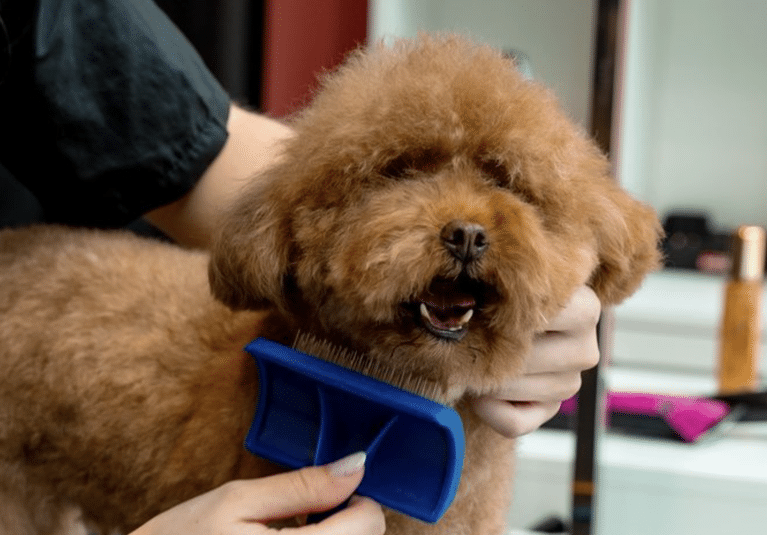
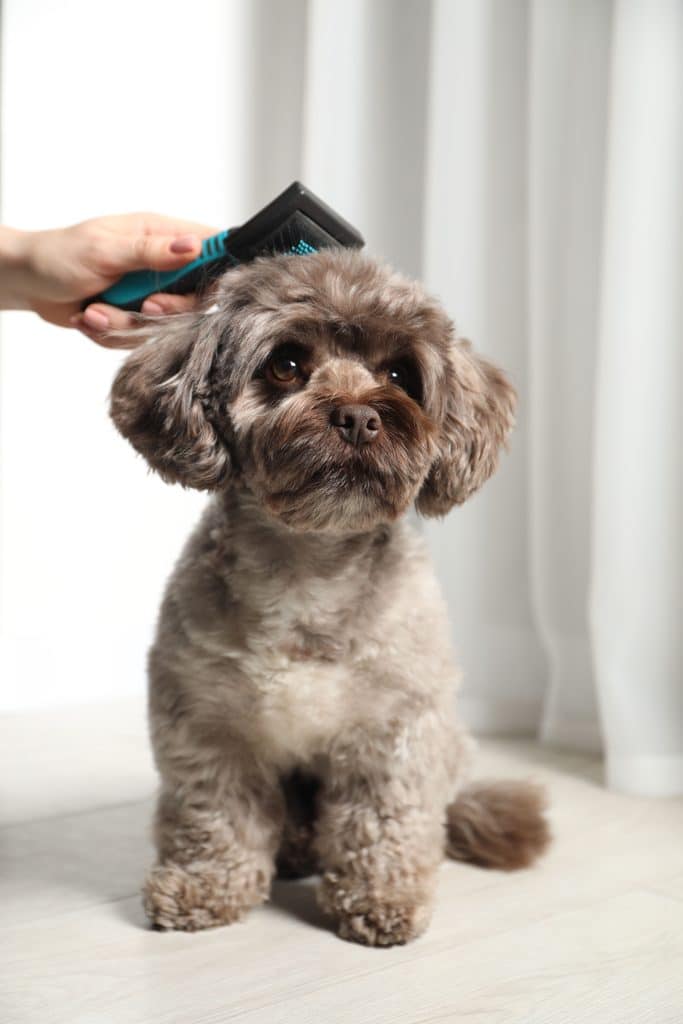
Regular brushing removes loose fur, distributes natural skin oils, and prevents matting long before it becomes a real problem requiring a more difficult fix. How often depends on coat type, but most dogs benefit from at least a weekly brushing session, and some coats need daily attention.
Match your brush type to your dog’s specific coat, a slicker brush, an undercoat rake, and a bristle brush all serve different coat types and purposes.
16. Start Nail Trims Early and Keep Them Routine
Overgrown nails can genuinely affect a dog’s gait and comfort, and starting nail trims early in a dog’s life makes the ongoing routine considerably easier for both of you. Waiting until nails are visibly overgrown makes the whole process more stressful.
If you can hear nails clicking on a hard floor, they’re likely due for a trim, a simple, reliable way to check between more thorough inspections.
15. Learn to Identify the Quick Before Trimming
The quick, the blood vessel inside a dog’s nail, is easy to accidentally cut if you’re not paying close attention, and understanding roughly where it sits for your specific dog prevents a painful, bloody mishap. For dogs with lighter nails, the quick is often visible as a pink area, while darker nails require more careful, gradual trimming.
Keep styptic powder on hand during nail trims just in case, a small precaution that turns an accidental nick into a minor, quickly resolved issue rather than a stressful ordeal.
14. Clean Ears Regularly, Especially for Floppy-Eared Breeds
Regular ear cleaning helps prevent the buildup of wax and debris that can lead to infections, particularly in breeds with floppy ears where airflow is naturally more limited. A gentle, vet-approved ear cleaner and a soft cloth are usually all that’s needed for routine maintenance.
Watch for signs of irritation, redness, odor, excessive scratching at the ears, these can indicate an infection that needs veterinary attention rather than just routine cleaning.
13. Brush Teeth Regularly for Real Dental Health
Dental health is often overlooked in general grooming routines, but regular tooth brushing genuinely matters for preventing dental disease that can affect a dog’s overall health, not just their mouth. Dog-specific toothpaste and a soft brush, used a few times a week, make a real difference over time.
Introduce tooth brushing gradually and positively, especially with an adult dog who isn’t used to it, patience during this training period pays off with a much easier long-term routine.
12. Bathe Only as Often as Actually Needed
Over-bathing can strip a dog’s coat of natural oils and lead to dry, irritated skin, while under-bathing lets dirt and odor build up. Most dogs do well with bathing every four to six weeks, though this varies by coat type, activity level, and any specific skin conditions.
Use a dog-specific shampoo rather than human products, a dog’s skin has a different pH balance that human shampoo can disrupt.
11. Check Paw Pads Regularly
Paw pads take a lot of wear, and regular checks help you catch cracks, cuts, or embedded debris before they become bigger problems. This is especially important after walks on rough terrain, hot pavement, or icy, salted winter sidewalks.
A simple paw balm can help protect and heal dry or cracked pads, worth keeping on hand especially during extreme weather seasons.
10. Trim Fur Around Paws for Traction and Cleanliness
Excess fur between paw pads can trap debris, ice, and moisture, and trimming it neatly helps with both traction and overall paw hygiene. This is a small grooming task that makes a real difference in comfort, especially for dogs with naturally fluffy paw fur.
Use blunt-tipped scissors specifically for this task and work carefully, this is an area where a slow, careful approach matters more than speed.
9. Address Matting Promptly, Not Eventually
Mats can form quickly in certain coat types, and addressing them as soon as you notice them prevents a small tangle from becoming a painful, skin-tight mat requiring a much more difficult removal process. Regular brushing is really the best prevention here.
For a mat that’s already formed, work it out gently with your fingers and a detangling spray before reaching for scissors, cutting close to the skin around a mat carries real risk of accidentally nicking your dog.
8. Express Anal Glands Only When Actually Necessary
Not every dog needs regular anal gland expression, and this is a task many owners either over-worry about or attempt unnecessarily. Watch for signs like scooting or excessive licking in that area, which can indicate a genuine need, and consult your vet or a professional groomer if you’re unsure.
This is a task many owners prefer to leave to a professional groomer or vet, a completely reasonable choice given the specific skill involved.
7. Use the Right Tools for Your Specific Coat Type
Using the wrong brush or tool for your dog’s specific coat type can be ineffective at best and uncomfortable for your dog at worst. Research the appropriate tools for your dog’s coat, double-coated, curly, wire-haired, smooth, before investing in grooming equipment.
A quick conversation with a professional groomer or your vet about appropriate tools for your specific dog’s coat is worth the time if you’re unsure where to start.
6. Establish a Grooming Routine Early in a Dog’s Life
Dogs who are introduced to grooming routines, handling, brushing, nail trims, gradually and positively from a young age tend to tolerate and even enjoy grooming far more than dogs introduced to it later without that foundation. This early investment pays off for the dog’s entire life.
If you’ve adopted an older dog unfamiliar with grooming, patient, gradual introduction still works, it just may take more time and consistency than starting with a puppy.
5. Watch for Skin Changes During Grooming Sessions
Regular grooming sessions are a really good opportunity to check for lumps, bumps, rashes, or other skin changes that might otherwise go unnoticed under a full coat. Make a habit of running your hands over your dog’s body during grooming specifically to check for anything unusual.
Note the location and characteristics of anything you find and mention it to your vet, even something that turns out to be nothing is worth a quick professional check.
4. Keep Grooming Sessions Positive With Treats and Patience
Pairing grooming with treats and calm, positive reinforcement helps build a dog’s tolerance and even enjoyment of the process over time. Rushing through grooming or showing frustration tends to build negative associations that make future sessions harder.
Keep early sessions short, especially with a dog who’s anxious about grooming, gradually building duration as their comfort increases rather than pushing through a full session before they’re ready.
3. Consider Professional Grooming for Certain Coat Types
Some coat types, particularly certain curly or double coats, benefit from professional grooming expertise, especially for tasks like specific breed cuts or thorough deshedding. This doesn’t replace regular at-home maintenance, but it complements it for coats that need more specialized care.
Research groomers who have specific experience with your dog’s breed or coat type, this matters more than general groomer availability alone.
2. Adjust Your Routine Seasonally
Shedding patterns and grooming needs often shift with the seasons, more frequent brushing during heavy shedding periods, extra paw care during winter, more frequent baths during muddy spring months. Adjusting your routine to match these seasonal shifts keeps your dog more comfortable year-round.
Pay attention to your specific dog’s patterns over their first year with you, this builds a accurate sense of what seasonal adjustments actually matter for your individual dog.
1. Treat Grooming as Health Care, Not Just Appearance
The single most important grooming mindset shift is recognizing that grooming is a health care practice, not just a cosmetic one. Regular grooming catches health issues early, prevents painful matting and skin problems, and keeps your dog comfortable, not just good-looking.
So which of these is genuinely missing from your current routine? For most owners it’s teeth brushing or a real nail-trim schedule, both easy to add starting this week. Our post on signs your dog’s coat needs more attention covers exactly what those early problems tend to look like, and grooming is just one piece of the broader everyday care habits worth building into your routine.